
Five IRS-Approved Ways to Legally Cut Your Tax Bill Using Cost Segregation
You bought the property and you take the risk - so why hand the IRS more than you owe? This free guide breaks down the five legal ways real estate investors keep more of this year's income with cost segregation. Plain English, written by Seneca's CEO.
$171,243average first-year deduction
on qualified properties
- How to turn 20-40% of your property into a first-year deduction
- Whether your property qualifies, in a 5-minute checklist
- 4 more IRS-approved strategies to cut your tax bill
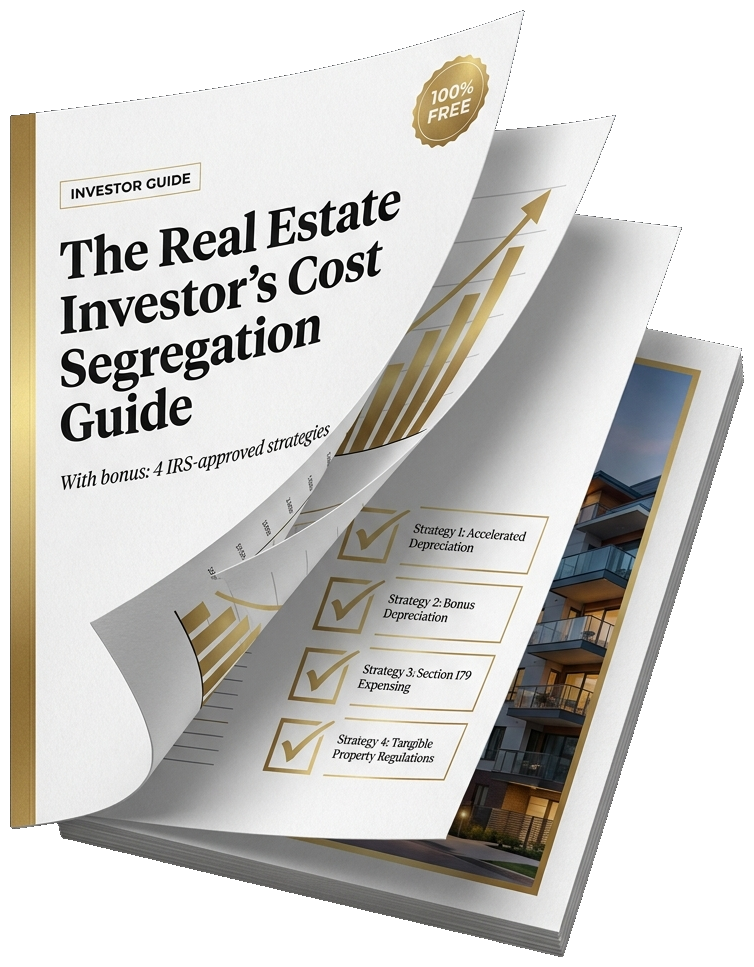
- Instant access, sent straight to your inbox



Profitable on paper, but still writing big checks to the IRS?
You did everything right. You found the property, took the risk, and put in the work. The one thing nobody told you: a large slice of what you paid can be deducted far sooner than 27.5 or 39 years.
The components inside and around your building - flooring, cabinetry, fixtures, wiring, landscaping, site work - can often be written off in the first year. That is typically 20-40% of your property's cost sitting frozen on a decades-long schedule, when it could be cash back in your pocket now.
Every year you wait is another year that deduction stays locked, and another check to the IRS you may not have owed.
Average first-year deduction
That is Seneca's average first-year deduction on qualified properties. With 100% bonus depreciation back for 2026, qualifying components can often be written off entirely in year one. The free guide shows you whether yours is one of them.
Everything you need to decide, before you spend a dollar
A plain-English guide you can read in one sitting, plus the credibility behind every Seneca study.
If you own any of these, cost segregation likely applies
Seneca has assessed these property types across all 50 states. The guide's checklist confirms your fit in minutes.
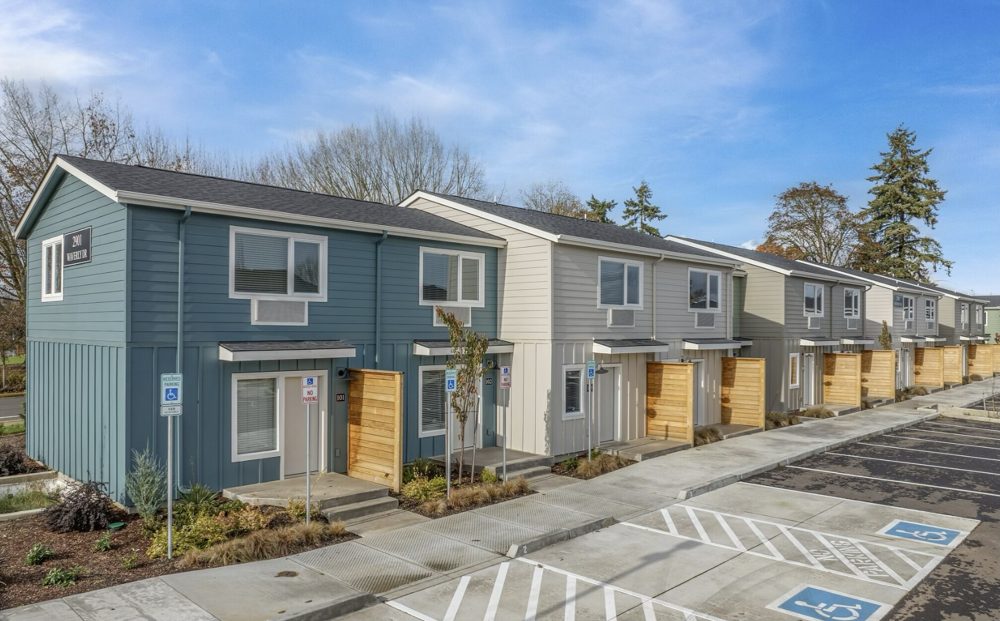
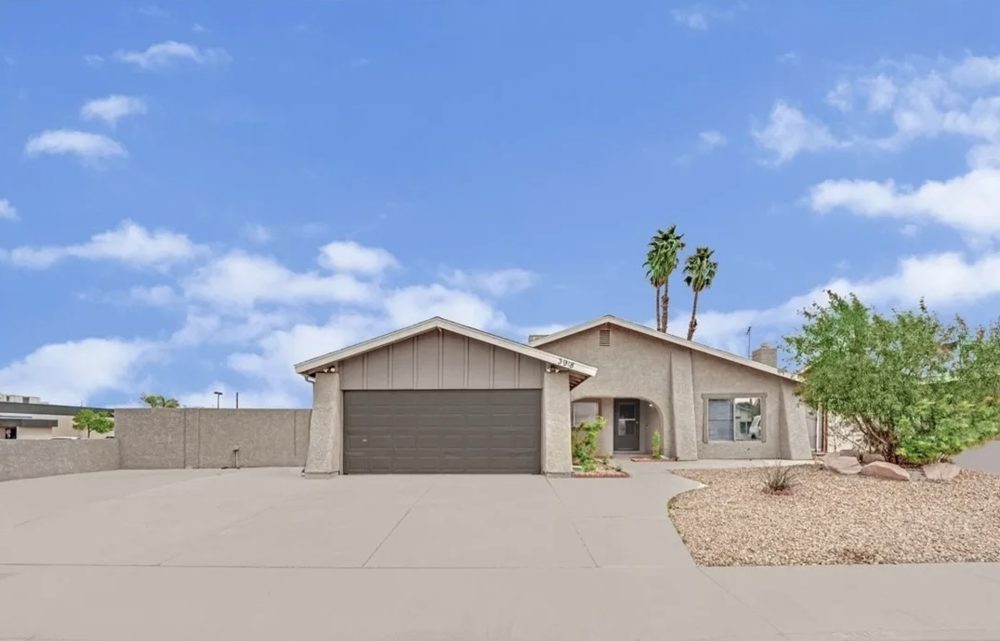
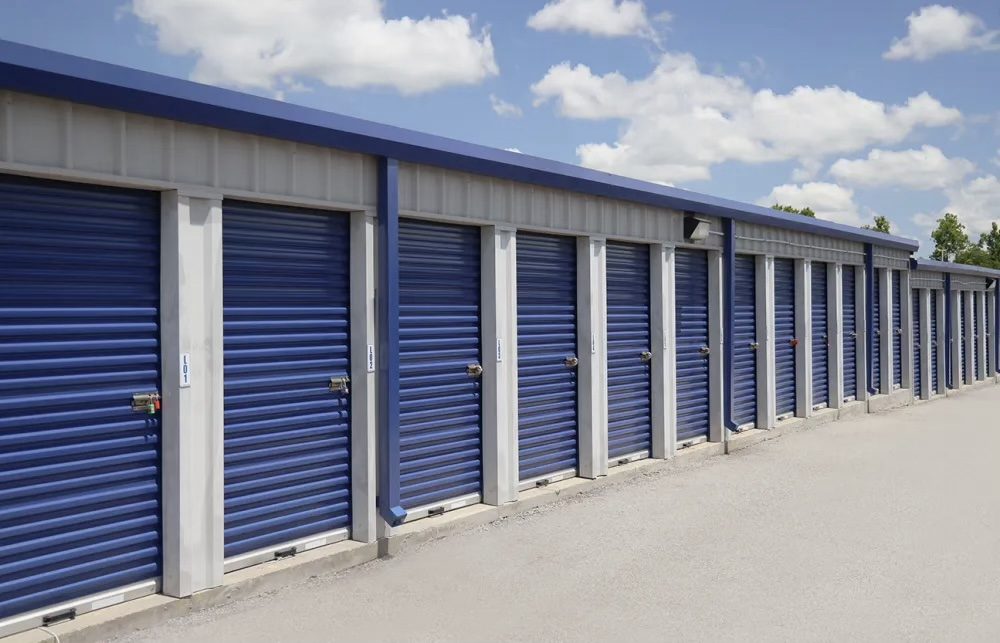
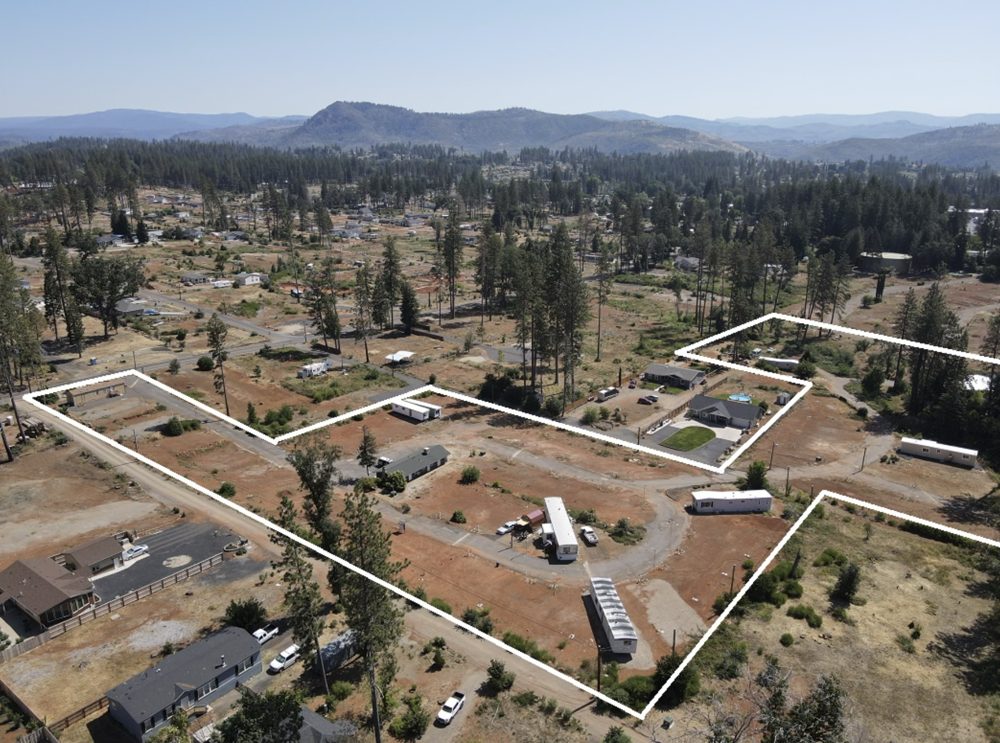
Cost segregation tends to pencil best above roughly $500,000 in basis. Not sure? The free checklist tells you.
Three low-pressure steps, starting with the guide
Get the free guide
Read it in one sitting. No call, no commitment. Decide for yourself whether cost segregation fits your portfolio.
Self-qualify your property
Use the included checklist to see whether your property is a strong candidate, before you talk to anyone.
Optional: free savings estimate
If it looks like a fit, request a no-cost estimate of your projected first-year deduction. Stay DIY or have Seneca's engineers handle it.
Real estate investors rate Seneca 5.0 on Google
A few of the reviews clients have left - read them all on Seneca's Google profile.
"Dylan and his team at Seneca Cost Segregation are extremely knowledgeable. When I explored their website, it was clear they knew their stuff - a very professional approach to cost segregation, backed by years of experience."
"Extremely professional and efficient in their cost seg analysis. Great communication and transparency. Will be using them going forward on all my properties."
"Seamless experience with great results. Highly recommend!"
The questions investors ask first
Yes. It is an IRS-recognized way to accelerate depreciation. The IRS even publishes its own Cost Segregation Audit Technique Guide describing how a proper engineering-based study should be done, and Seneca's studies are built to that standard.
A properly documented, engineering-based study does not raise audit risk on its own. Seneca also backs every study with AuditDefense: if a study causes a depreciation adjustment of more than 5% in an audit, you get 100% of the study fee back.
Most income-producing property qualifies, including short-term rentals, long-term rentals, multifamily, and commercial buildings, and it tends to pencil best above roughly $500,000 in basis. The guide includes a checklist so you can self-assess in minutes.
Pricing depends on property type and size, and a free savings estimate shows your projected first-year deduction before you commit to anything. Seneca's average first-year deduction on qualified properties is $171,243.
Accelerated depreciation can be recaptured when you sell, so cost segregation works best if you plan to hold for several years. The guide explains recapture in plain English so you can decide if it fits your timeline.
Most engineering-based studies are completed in 2 to 4 weeks, and Seneca works in all 50 states either remotely or with an on-site visit.
Find out what you're leaving on the table
Download the free guide, written by Seneca's CEO, and see in under a minute whether cost segregation could cut this year's tax bill. No call, no cost, no obligation.